
Introduction
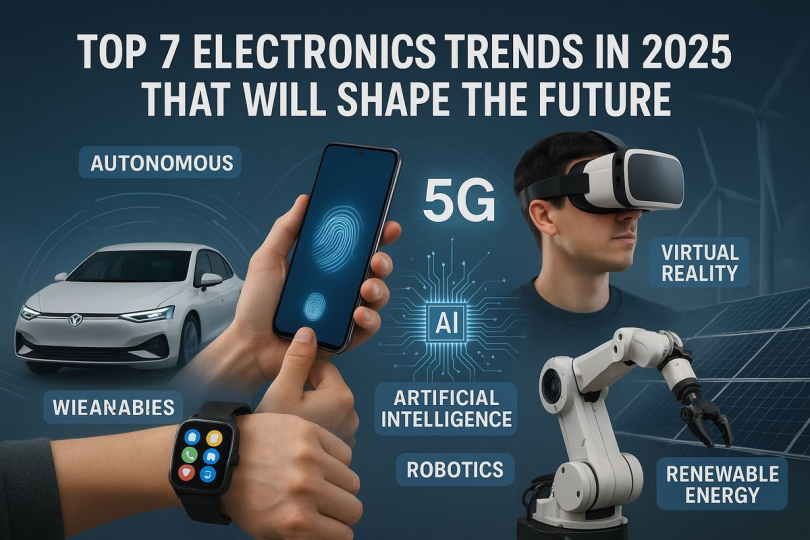
The world of technology is evolving faster than ever before, and understanding where it is heading can give individuals and businesses a major advantage. Future technology trends are not just about innovation; they are about transforming how we live, work, communicate, and solve problems. From artificial intelligence to quantum computing, each advancement is shaping a smarter and more connected world.
In recent years, we have seen massive changes in automation, data processing, and digital communication. These changes are only the beginning of a much larger transformation. As we move forward, industries such as healthcare, education, transportation, and entertainment will experience groundbreaking developments driven by emerging technologies.
This article explores the most important future technology trends in detail. It explains what they are, why they matter, how they work, and what impact they will have on society. Whether you are a beginner or someone with intermediate knowledge, this guide will help you understand the future of technology in a simple and practical way.
What is Future Technology Trends?
Future technology trends refer to the upcoming innovations and advancements that are expected to shape industries and daily life in the coming years. These trends are based on current research, development, and early adoption of new technologies.
They include fields such as artificial intelligence, machine learning, blockchain, robotics, augmented reality, quantum computing, and biotechnology. Each of these technologies plays a unique role in improving efficiency, solving complex problems, and enhancing human capabilities.
In simple terms, future technology trends are predictions of how technology will evolve and influence the world. They help businesses prepare for change and allow individuals to adapt to new digital environments.
Why is Future Technology Trends Important?
Understanding future technology trends is important for several reasons. First, it helps businesses stay competitive by adopting new tools and systems early. Companies that fail to adapt often fall behind in the market.
Second, it prepares individuals for future job opportunities. Many traditional jobs are being replaced by automated systems, while new roles are being created in tech-driven industries.
Third, it improves decision-making in education, healthcare, and government sectors. By understanding future trends, organizations can invest in better solutions and long-term strategies.
Finally, it helps society adapt to change smoothly. Technology is not slowing down, and being aware of upcoming innovations reduces confusion and resistance.
Detailed Step-by-Step Guide to Future Technology Trends
Artificial Intelligence and Machine Learning
Artificial intelligence (AI) is one of the most powerful future technology trends. It allows machines to learn, analyze, and make decisions like humans.
Machine learning is a branch of AI that improves systems based on data experience. It is used in recommendation systems, voice assistants, fraud detection, and predictive analytics.
AI is expected to become more advanced in areas such as natural language processing, autonomous systems, and decision-making tools.
Robotics and Automation
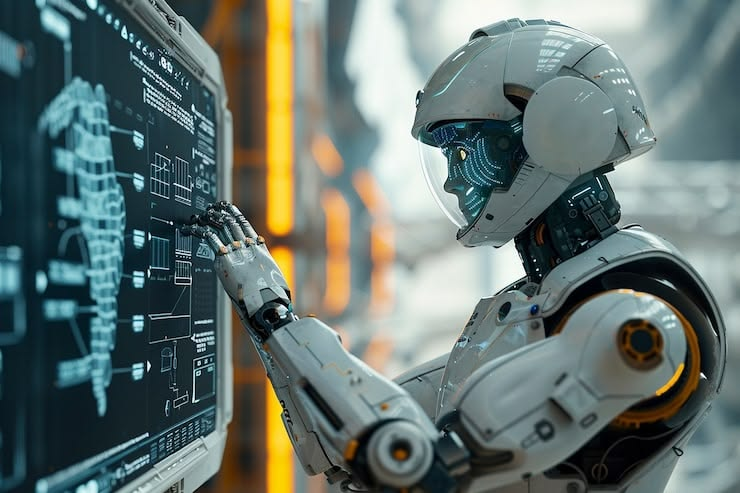
Robotics is another major trend shaping the future. Robots are being used in manufacturing, healthcare, agriculture, and logistics.
Automation reduces human effort in repetitive tasks and increases efficiency. In the future, robots will become more intelligent and capable of performing complex tasks with precision.
Blockchain Technology
Blockchain is a decentralized digital system that records transactions securely. It is mainly known for cryptocurrency, but its use goes far beyond that.
It is being used in supply chain management, healthcare records, digital identity verification, and financial systems.
Blockchain ensures transparency, security, and trust in digital transactions.
Augmented Reality and Virtual Reality
Augmented reality (AR) and virtual reality (VR) are transforming how people interact with digital environments.
AR adds digital elements to the real world, while VR creates fully immersive virtual environments.
These technologies are widely used in gaming, education, real estate, and training simulations.
Quantum Computing
Quantum computing is a revolutionary technology that uses quantum mechanics to process information.
It has the potential to solve complex problems much faster than traditional computers.
This technology is still in development but is expected to transform fields like cryptography, medicine, and scientific research.
Biotechnology and Genetic Engineering
Biotechnology is improving healthcare and agriculture by using biological systems to develop new solutions.
Genetic engineering allows scientists to modify DNA to treat diseases and improve crops.
Future advancements may lead to personalized medicine and longer life expectancy.
Benefits of Future Technology Trends
- Improved efficiency in industries and daily life
- Faster problem-solving through advanced computing systems
- Better healthcare solutions and medical innovations
- Enhanced communication and global connectivity
- Increased automation reducing manual workload
- Smarter education systems using digital tools
- Stronger security systems with advanced encryption
- New job opportunities in tech-related fields
Disadvantages / Risks of Future Technology Trends
- Job displacement due to automation
- High cost of advanced technology adoption
- Privacy concerns with data collection
- Cybersecurity threats and hacking risks
- Dependence on machines and reduced human skills
- Ethical concerns in AI and biotechnology
- Unequal access to technology in developing regions
Common Mistakes to Avoid
Many individuals and organizations make mistakes when adopting new technology trends. One common mistake is ignoring technological changes until it is too late. This leads to difficulty in adapting and higher costs.
Another mistake is over-dependence on technology without understanding its limitations. While technology is powerful, it is not perfect and requires human supervision.
A third mistake is neglecting cybersecurity measures. As systems become more digital, protecting data becomes extremely important.
Lastly, businesses sometimes invest in technology without proper planning or research, leading to wasted resources.
FAQs
1. What are future technology trends?
Future technology trends are upcoming innovations that are expected to shape industries and daily life in the coming years.
2. Why is AI considered a major future trend?
AI is important because it can learn, analyze data, and make decisions, improving efficiency in many industries.
3. Will robots replace human jobs?
Robots may replace some repetitive jobs, but they will also create new opportunities in technology and engineering fields.
4. What is the role of blockchain in the future?
Blockchain provides secure and transparent digital transactions and is used in finance, healthcare, and supply chain systems.
5. How will AR and VR change education?
AR and VR will make learning more interactive by providing immersive and practical experiences for students.
6. Is quantum computing available now?
Quantum computing is still in development but is expected to become more practical in the future.
Expert Tips & Bonus Points
To stay ahead in future technology trends, continuous learning is essential. Technology changes rapidly, and staying updated helps individuals remain competitive.
Businesses should invest in digital transformation early to avoid falling behind. Adopting automation and AI tools can significantly improve productivity.
It is also important to focus on cybersecurity from the beginning. Protecting data should always be a priority when implementing new systems.
Networking with professionals in the tech industry can also provide valuable insights into upcoming innovations.
Finally, balance is important. While adopting new technology, human creativity and critical thinking should not be ignored.
Conclusion
Future technology trends are shaping a world that is smarter, faster, and more connected. From artificial intelligence to quantum computing, each innovation plays a role in transforming how we live and work.
These technologies offer many benefits, including improved efficiency, better healthcare, and new opportunities. However, they also come with challenges such as job displacement, privacy concerns, and cybersecurity risks.
Understanding these trends is essential for individuals and businesses who want to stay relevant in a rapidly changing world. By learning and adapting early, we can take advantage of future opportunities and avoid potential risks.
The future of technology is not something to fear but something to prepare for. With the right knowledge and approach, it can open doors to endless possibilities and a better quality of life for everyone.